

By Jax Stys, certified life coach · Last updated: October 25, 2026
Quick answer: What should women over 40 eat? Build most meals around protein, fiber, and healthy fats. Protein helps protect muscle as we age, fiber supports digestion, blood sugar, and fullness, and healthy fats support your brain, heart, and skin. Add colorful plants and fermented foods for your gut, and meal prep once a week so healthy choices are the easy choices.
Midlife changes things. Maybe your metabolism feels slower, your energy dips in the afternoon, or the weight sits differently than it used to. Food isn’t the only answer, but it’s one of the most powerful tools you have.
I’m Jax, a certified life coach for women over 40. Food was a big part of how I went from over 400 pounds to down over 200 pounds as of October 2026. Here’s what I focus on, and what I’ve learned along the way.
Because your body is changing. Hormones shift in perimenopause and menopause, and we naturally start losing muscle as we age. Less muscle can mean a slower metabolism, less strength, and less energy. On top of that, many of us are juggling work, family, and caregiving, so we grab whatever’s fast.
The good news? A few simple shifts in what’s on your plate can help you feel stronger and more energized.
Protein helps you keep and build muscle, keeps you full, and supports steady energy. The standard recommendation (the RDA) is 0.8 grams per kilogram of body weight a day, which is about 0.36 grams per pound. But many experts suggest more as we get older, often around 1.0 to 1.2 grams per kilogram, according to UTMB Health. If you’re active or losing weight, ask your doctor or dietitian what’s right for you.
An easy way to think about it: try to include a palm-sized portion of protein at every meal.
Great protein picks:
Fiber is the unsung hero of midlife nutrition. It helps with digestion, keeps blood sugar steadier, keeps you full longer, and feeds the good bacteria in your gut. The U.S. Dietary Guidelines suggest about 25 grams a day for most adult women, and most of us get far less.
Easy high-fiber foods:
Add fiber slowly and drink plenty of water so your belly has time to adjust.
Fat isn’t the enemy. Healthy fats help your body absorb certain vitamins and support your brain, heart, and skin. The Dietary Guidelines suggest getting about 20 to 35 percent of your calories from fat, with most of it coming from unsaturated sources.
My go-to healthy fats:
Many of the same foods that are good for your body are good for your mood. An eating pattern full of colorful plants, fish, nuts, olive oil, and whole grains (think Mediterranean style) is linked with less inflammation and better overall health.
A few of my favorites:
It’s not about restriction. It’s about adding more of the good stuff.
Your gut is home to trillions of tiny organisms that help you digest food, support your immune system, and even talk to your brain. When it’s happy, you often feel better all over.
Simple ways to show your gut some love:
Meal prep is the habit that holds all of this together for me. When healthy food is already made, I don’t end up in a drive-through after a long day. It also saves money and takes a lot of stress off my week.
On Sunday mornings, I prep my meals for the week, and in about two hours I’m done. Here’s how to start:
Tips: Start with just lunches if a full week feels like a lot. Choose foods you love. And make it a ritual with your favorite music or podcast.
Need ideas? Try my easy weight loss recipes that helped me after 40.
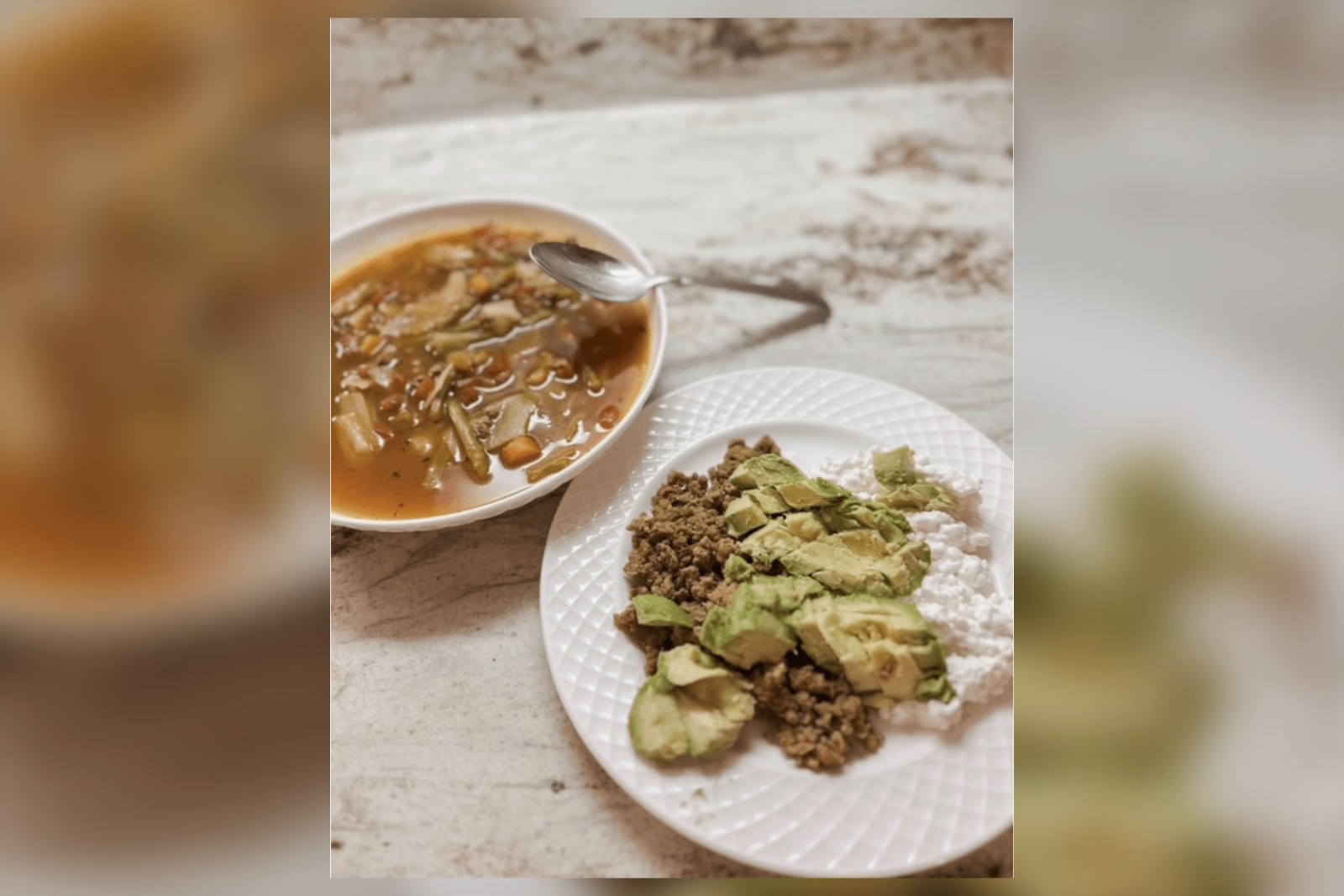
Here’s a simple example of how protein, fiber, and healthy fat can show up in a day:
For more on how food fits into my whole plan, read what has worked for my weight loss after 40 and my daily wellness rhythm guide.
There’s no one perfect diet, but a pattern built around protein, fiber-rich plants, and healthy fats works well for many women. Mediterranean-style eating, with fish, vegetables, beans, nuts, olive oil, and whole grains, is a great place to start.
The RDA is 0.8 grams per kilogram of body weight, but many experts suggest more as we age, often around 1.0 to 1.2 grams per kilogram. Your needs depend on your size, activity, and health, so ask your doctor or dietitian.
The U.S. Dietary Guidelines suggest about 25 grams a day for most adult women. Increase it slowly and drink plenty of water.
Fiber-rich plants like berries, beans, oats, and vegetables feed your good gut bacteria. Fermented foods like yogurt, kefir, sauerkraut, and kimchi add helpful bacteria too.
For me, yes. When healthy meals are ready, it’s much easier to stay on track, save money, and avoid stressful last-minute decisions. Start with a few meals and build from there.
You don’t need a perfect diet. You need a few habits you can repeat: protein at every meal, more plants, healthy fats, and a little Sunday prep.
Not sure where to start? Take the free Glow Assessment. And if you want help building a plan that fits your life, join me in the 6-Week Strategy Session.
With love and confidence,
Jax
This post shares my personal experience and general information. It’s not medical advice. Please talk to your doctor or a registered dietitian before changing your diet, especially if you have a health condition.