

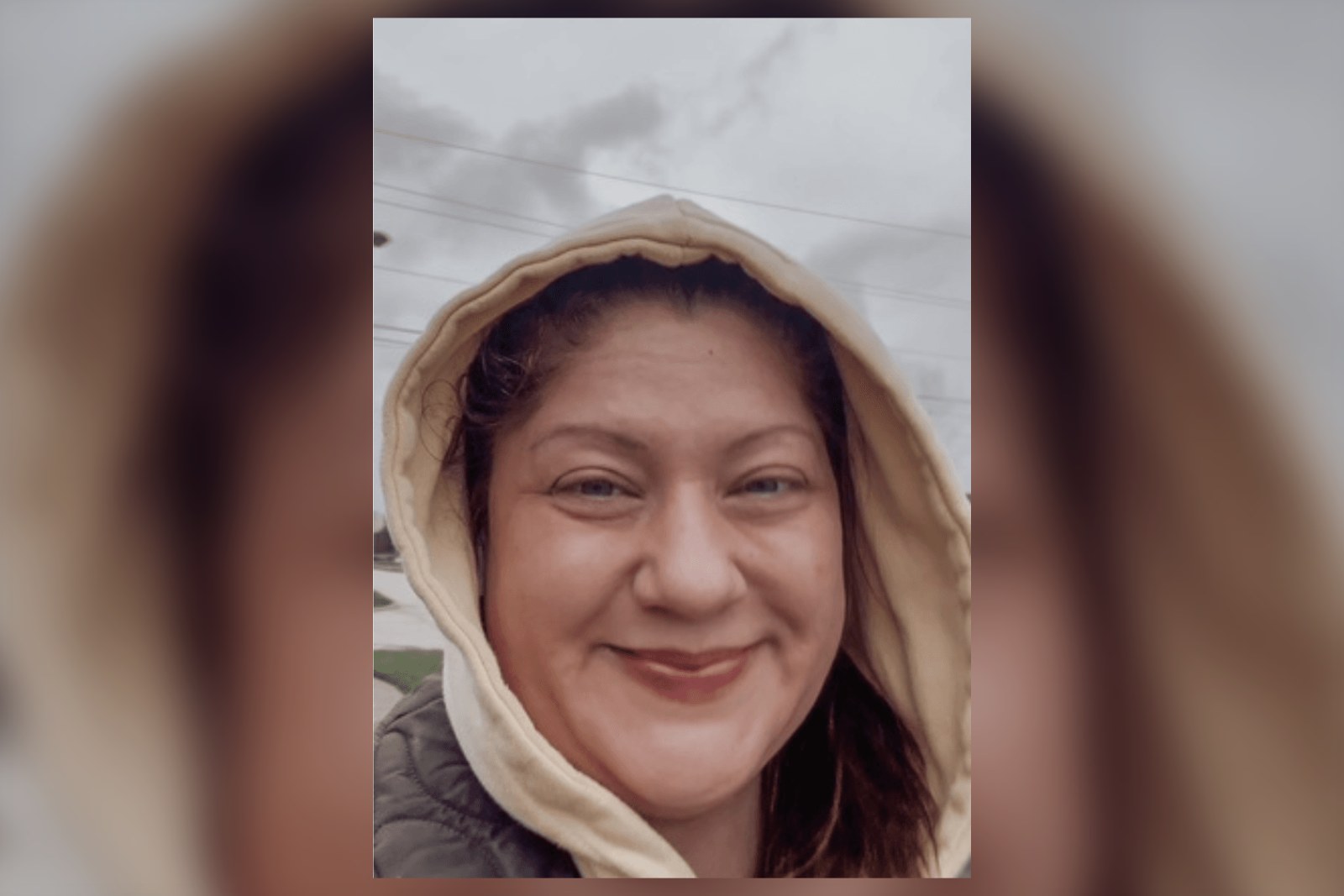
Last updated: October 25, 2026
Quick answer: How many steps a day to lose weight? For most women, 7,000 to 10,000 steps a day is a great goal, as long as you also eat a little less than your body burns. Walking alone won’t do all the work. But it’s one of the easiest, kindest ways to burn more calories, lift your mood, and protect your health after 40.
It’s also where my whole glow-up started.
I’ll be honest with you. When I started walking in the summer of 2022, it wasn’t because I loved fitness.
It was the only thing I could physically do.
I was overwhelmed.
I was anxious.
I felt like I had hit rock bottom.
I didn’t have the confidence to join a gym. Even the thought of walking on a treadmill in front of other people made my stomach turn.
So I laced up my sneakers and walked around my neighborhood. At first, it was just one block. Every morning at 6 AM, before the world woke up, I was out there putting one foot in front of the other.
One block turned into two. Then three. Then whole neighborhood loops.
My knees were sore at first. But with collagen and consistency, they got stronger. By January 2023, I was down 40 pounds. Was nutrition part of it? Absolutely. But walking played a huge role.
My highest weight was 431 pounds. As of September 2026, I’m down 200 pounds. And it all started with one block.
Walking wasn’t my only tool. As of September 2026, I’ve also used Zepbound for 4 months and phentermine for about 2 months early on, with my doctor’s guidance. Always talk to your doctor first.
Aim for 7,000 to 10,000 steps a day, and pair your walking with eating a little less. If you’re starting from very few steps, start where you are and add a little each week.
Here’s what the research says:
My numbers: I aim for 8,000 to 10,000 steps on workdays and 12,000 or more on weekends.
Try this: Check your average steps from last week on your phone. Add 1,000 to that number. That’s your goal for this week.
A 30-minute walk burns about 100 to 190 calories, depending on your size and speed. The faster you walk and the more you weigh, the more you burn.
According to Harvard Health, in 30 minutes:
Here’s the good news if you’re just starting: a bigger body burns more with every step. Your walks count more than you think.
Walking is gentle on your joints, free, and works at any size or fitness level. And the health benefits go way past the scale.
According to Mayo Clinic, regular brisk walking can help you:
Bonus tip: walk after you eat. A 2023 review in Sports Medicine found that walking soon after a meal lowered blood sugar spikes more than walking before the meal.
As a certified life coach, I want you to hear this: walking is not just movement. It’s a mindset tool.
Walking gives you space to think, feel, and find clarity. For me, it became a daily check-in with myself. No noise. No judgment. No pressure.
It’s where I’ve brainstormed ideas, worked through hard seasons, and made big life decisions. It’s also where I listen to audiobooks and personal growth podcasts, or even scroll social media guilt-free.
Midlife can bring anxiety, low moods, and that “who am I now?” feeling. Walking helps.
Every walk tells your mind and body one thing: I am worth caring for.
Start small. Really small. Even one block counts. Mayo Clinic says it’s OK to start with just a few minutes a day, then add a few minutes each week.
My tips:
Since that first block in 2022, walking has been my constant companion.
In winter, I use the treadmill at my gym, and I even bought a walking pad for my den. But nothing beats spring and summer mornings in Cleveland. Birds singing. Fresh-cut grass. A breeze on my face.
I’ve also made it a goal to explore the Metroparks of Northeast Ohio, with their trails, lakes, rivers, and boardwalks. It’s my favorite way to mix wellness with joy.
Want to see how walking fit into my full plan? Read Losing Weight After 40: How I Lost 200 Pounds and 5 Ways to Start Reinventing Your Life After 40.
When I’m at work all day, 10,000 steps doesn’t just happen. So I get creative. Here are my favorite ways to sneak in steps:
At work
At home
On the go
Pick three to try this week. Every step counts.
I walk at 6 am, and I promise I’m not a natural morning person. It’s all in the setup. My best tips:
The goal isn’t a perfect morning. It’s a setup that makes showing up easier.
A good goal is 7,000 to 10,000 steps a day, paired with eating a little less than your body burns. If you walk much less than that now, add about 1,000 steps a week until you get there.
Walking helps, but it works best with changes to what you eat. Mayo Clinic says moving more and cutting calories together helps much more than exercise alone.
You can’t choose where your body loses fat. But walking burns calories, and when you pair it with eating a little less, you lose fat all over, including your belly.
The CDC recommends at least 150 minutes of moderate activity a week, like brisk walking. That’s about 30 minutes a day, 5 days a week. You can split it into shorter walks.
Take the long way to the restroom, pace during calls, walk on your lunch break, and set an hourly reminder to move. After work, a short walk after dinner can add a couple thousand steps.
Yes. Walking is low-impact, so most people can do it every day. Start slowly, wear supportive shoes, and listen to your body.
Want a simple plan to start? Get my free Beginner Walking Guide, part of my 10 free mini guides for women 40+.
Walking has been part of my rebirth. As I keep losing weight and growing into the woman I’m becoming, I will always come back to the power of a simple walk.
If you’re a midlife woman at the start of your health goals, or deep in your reinvention, I invite you to take that first step.
Walk for your body.
Walk for your mind.
Walk for your midlife awakening.
Want someone cheering you on? Take the free Glow Assessment to find your starting point, or build your plan with me in the 6-Week Strategy Session.
With love and confidence,
Jax Stys
This post shares my personal experience and is not medical advice. Always talk to your doctor before starting a new exercise plan.