

By Jax Stys, certified life coach
Quick answer: What are the best supplements for midlife women? The ones I take every day are collagen peptides, omega-3 fish oil, vitamin D3 with K2, magnesium glycinate, and a probiotic, plus electrolytes and bone broth. They’re not magic pills. They’re simple support for sleep, joints, gut, and mood, on top of real food, movement, and rest. Talk to your doctor before starting supplements, and ask about blood work first.
Hey friend.
If you’re a woman in your 40s in perimenopause, you’ve probably felt it. The sudden energy dips. The mood swings. The broken sleep, the weird bloating, the joint aches that show up uninvited. Your body just feels… different.
Welcome to midlife. It’s a season to listen to your body a little closer.
I’m Jax, a certified life and wellness coach for women over 40. My highest weight was 431 pounds, and as of October 2026, I’m down over 200 pounds. I first shared this stack at 47, and I’ve tried a lot of supplements along the way. These are the ones I take consistently and feel a real difference from.
Before we start: always talk to your doctor before starting supplements, especially during perimenopause. Blood work can show what your body really needs. This post is my personal experience, and every body is different.
Let’s get into it.
Because your hormones shift, and some of your body’s needs shift with them. Bones are a big one. The Bone Health and Osteoporosis Foundation says a woman can lose up to 20% of her bone density in the five to seven years after menopause, as estrogen drops.
Food is still the base. But many of us come up short on a few nutrients, even when we eat well. The National Institute on Aging says most people in the U.S. get less vitamin D than recommended. The NIH Office of Dietary Supplements reports that 48% of Americans get less magnesium from food and drinks than they should.
For me, the right routine has helped with:
The best supplements for midlife women are the ones that fill your real gaps, so start with blood work and a talk with your doctor. Here are the five I take daily, plus two bonus helpers, and what trusted sources say about each one.
Why I take it: For skin, joints, and my overall glow.
How it’s helping me: I started taking collagen peptides daily after I noticed my skin losing its bounce and my knees feeling stiff after long walks or workouts. I use a grass-fed, unflavored collagen powder that I mix into my morning coffee.
What the research says: The Cleveland Clinic says your body makes less collagen as you age, and women see a big drop after menopause. They call collagen peptides “possibly effective” for skin hydration and stretch. Harvard Health adds that some studies show skin benefits, but the studies are small and product quality varies.
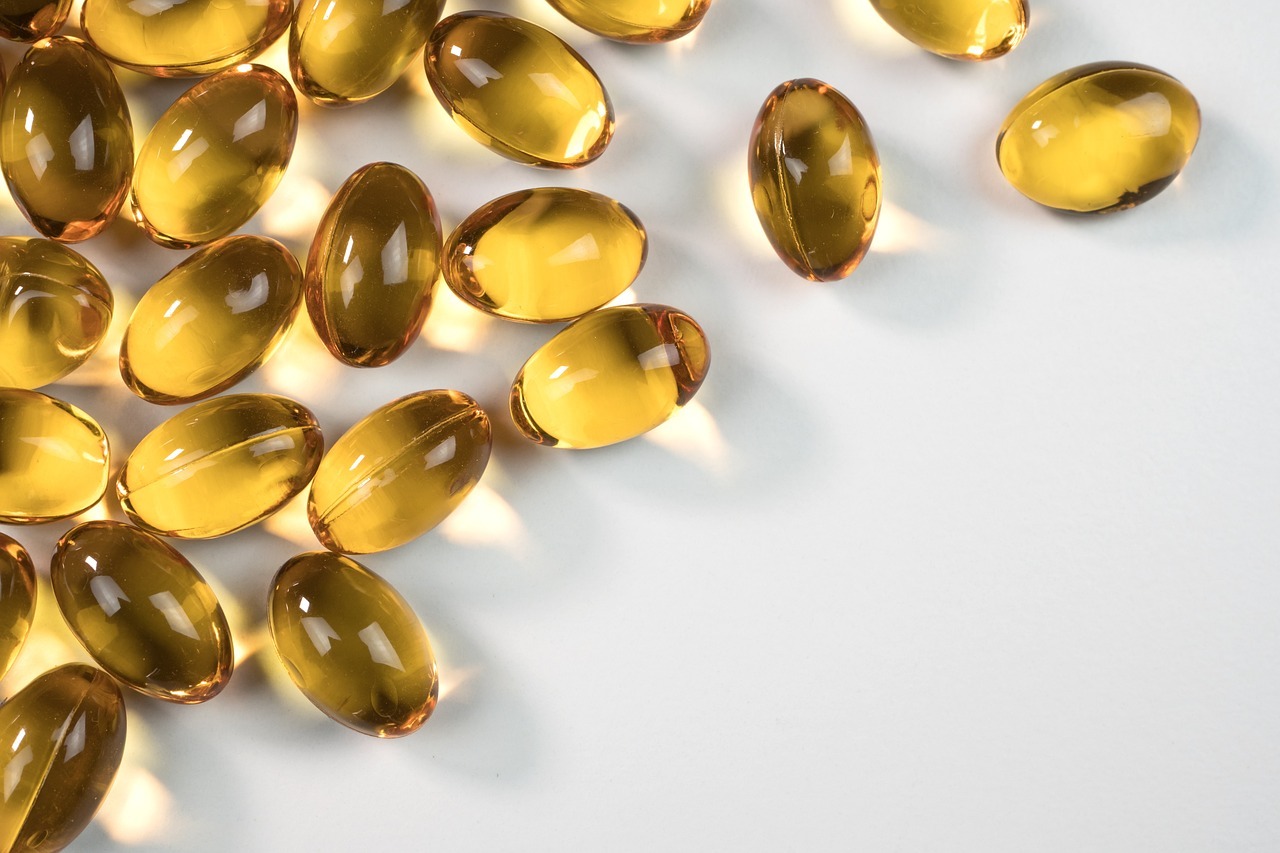
Why I take it: For heart and brain support, focus, and skin.
What the research says: The NIH Office of Dietary Supplements says getting more of the omega-3s EPA and DHA lowers triglycerides, a type of fat in your blood. Research on omega-3s and the brain is still mixed. For joints, NIH says it’s not clear yet whether the supplements ease pain or stiffness.
Heads up: NIH notes that high doses may cause bleeding problems if you take a blood thinner like warfarin. Ask your doctor first.
Pro tip: Pick a fish oil that lists the actual EPA and DHA amounts on the label, not just “1000 mg of fish oil.” I take mine with food to avoid a fishy aftertaste.
Why I take it: For bones, immune support, and mood.
Why it matters to me: I live in Cleveland. Our winters are long and gray, and I’m just not getting much sunshine for a lot of the year.
What the research says: The NIH Office of Dietary Supplements says vitamin D helps your body absorb calcium and, together with calcium, helps protect older adults from weak bones (osteoporosis). Adults up to age 70 need 600 IU a day, and the safe upper limit for adults is 4,000 IU. NIH also says D3 raises vitamin D levels more, and keeps them up longer, than D2. To be honest about mood: low vitamin D is linked to depression, but trials haven’t shown that supplements treat it.
Why K2: K2 is a form of vitamin K. The NIH Office of Dietary Supplements says vitamin K is important for healthy bones, but studies on supplements are mixed and more research is needed. NIH also warns that vitamin K can change how warfarin works, so check with your doctor if you take it.
Why I take it: For sleep, relaxation, and muscle recovery.
How it’s helping me: If I skip a night of magnesium glycinate, I feel it. It’s made a huge difference in how fast I fall asleep and how long I stay asleep. I feel less restless and more rested, without feeling groggy.
What the research says: The NIH Office of Dietary Supplements says magnesium helps more than 300 enzyme systems in your body do their jobs. Women 31 and older need 320 mg a day from all sources. The upper limit from supplements is 350 mg a day for adults, and too much often causes diarrhea.
For sleep, a 2021 review in BMC Complementary Medicine and Therapies found that older adults taking magnesium fell asleep about 17 minutes faster than those on a placebo. The researchers said the evidence is low quality, so it’s promising, not proven.
Pro tip: I take it about 30 to 60 minutes before bed. I also dim the lights, stretch, and follow a wind-down routine to tell my body it’s time to rest. More on that in my post on how to sleep better in midlife.
Why I take it: For gut health, less bloating, and digestion.
What the research says: The NIH National Center for Complementary and Integrative Health says probiotics show promise for some health uses, but we still don’t know which ones help with what. Different strains can have different effects. They suggest talking to your doctor first, especially if you have a serious health condition.
Bonus tip: I pair my daily capsule with a fiber-rich diet and fermented foods like kimchi, yogurt, and pickles.
These two aren’t pills, but I use them daily.
Electrolytes: I mix a clean, sugar-free electrolyte powder into my water once a day, especially after workouts or long walks. It helps me drink more water, and my energy feels steadier.
Low-sodium beef bone broth: I sip it during the week. It’s cozy, filling, and feels like taking care of myself.
Look for a third-party testing seal and a clear label. This matters because the NIH Office of Dietary Supplements explains that the FDA does not approve supplements before they’re sold, and doesn’t check if they work.
Here’s what I look for:
Curious about the exact brands I use? Send me a DM on Instagram, or head to my Shop My Wellness Routine page.
Yes, every time. The NIH Office of Dietary Supplements says supplements can interact with some medicines, and it recommends telling your doctors and pharmacist about everything you take.
Bring a list of your supplements to your next visit. Ask for blood work if you think you’re low on something. If you’re also dealing with hot flashes, brain fog, or sleep changes, my perimenopause symptom checklist can help you get ready for that talk.
Try this: Take a photo of every supplement label in your cabinet. Show the photos to your doctor at your next appointment.
| Supplement | Why I Take It |
| Collagen Peptides | Skin, joints, hair, nails |
| Omega-3 Fish Oil | Heart and brain support, focus, skin |
| Vitamin D3 + K2 | Bones, immune support, mood |
| Magnesium Glycinate | Sleep, relaxation, muscle recovery |
| Probiotic | Gut health, digestion, bloating |
| Electrolytes (daily) | Hydration and steady energy |
| Beef Bone Broth | A cozy, filling add-on |
Supplements work best on top of good food. Here’s how I eat for energy: what women over 40 should eat for protein, fiber, and healthy fats.
It depends on your body, your diet, and your blood work. Common ones women ask about are vitamin D, magnesium, omega-3s, collagen, and probiotics. Talk to your doctor before starting supplements so you take what you actually need.
The NIH Office of Dietary Supplements says adults up to age 70 need 600 IU a day, and 800 IU after 70. The safe upper limit for adults is 4,000 IU a day. Your doctor can check your levels with a blood test.
It might. A 2021 review found older adults taking magnesium fell asleep about 17 minutes faster, but the evidence was low quality. It helps my sleep, but talk to your doctor first, since too much can cause diarrhea.
The research is early. The Cleveland Clinic calls collagen peptides possibly effective for skin hydration and stretch, and Harvard Health notes the studies are small. I like how my skin and joints feel, but results vary.
Not always. The NIH Office of Dietary Supplements warns that some supplements interact with medicines. For example, vitamin K can change how warfarin works. Always tell your doctor and pharmacist what you take.
Supplements won’t replace good habits. But they can back them up.
Real food.
Real rest.
Real support.
Taking care of yourself in your 40s, 50s, and beyond isn’t only about looking good. It’s about feeling good, staying strong, and living fully. You’re not behind. You’re awake.
If you want help building the habits that make the biggest difference, take the free Glow Assessment. It’s the easiest first step.
With love and confidence,
Jax
This post shares my personal experience and is not medical advice. Always talk to your doctor before starting supplements. Blood work can show what’s right for your body, and what works for me may not be right for you.